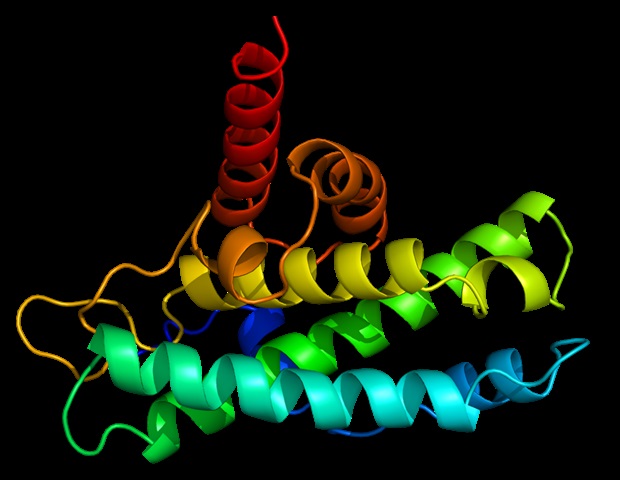
A modified zinc finger scaffold was found to suppress microglial activation in the mouse brain, according to News-Medical. The outlet reported the finding on Thursday, November 5, 2026.
Microglia are the brain's resident immune cells, and their activation is associated with inflammatory processes in the central nervous system. The News-Medical report describes the engineered scaffold as reducing that activation in mice. The summary did not include the study's authors, the journal of publication, or the specific methods used.
In related coverage, BigGo Finance reported that South Korea's KAIST confirmed a zinc finger protein cuts the buildup of Alzheimer's toxic protein by 53 percent. That figure comes from BigGo Finance's reporting and has not been independently verified here. The two reports both involve zinc finger proteins and brain health, but the available material does not establish whether they concern the same research or the same protein construct.
Zinc finger scaffolds are protein structures that can be engineered to bind specific DNA sequences, a property that has drawn interest in gene regulation research. The mouse findings reported by News-Medical concern microglial activation rather than cognitive outcomes, and no human data were described in the available material.
What to watch next: whether the mouse results are published in a peer-reviewed journal with full methods, and whether the KAIST findings on protein buildup are independently confirmed.